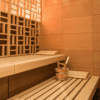

Traditional Sauna vs Infrared Sauna
Why the Traditional Sauna vs Infrared Sauna Decision Matters for UAE Commercial Operators
In boardrooms across Dubai’s hospitality sector, in gym development meetings in Abu Dhabi, and in spa planning sessions across Ras Al Khaimah’s resort corridor, one question consistently dominates wellness facility investment discussions:
Traditional Sauna vs Infrared Sauna — which is right for our facility?
This is not a simple preference question. For UAE commercial operators — hotel managers overseeing multi-million dirham wellness floor upgrades, gym owners designing premium recovery zones, and spa directors building world-class treatment menus — the Traditional Sauna vs Infrared Sauna decision carries significant implications for capital expenditure, operating costs, regulatory compliance, guest experience, and long-term commercial performance.
The UAE’s unique combination of extreme climate, internationally diverse guest demographics, luxury market positioning, and strict municipal regulations means this decision cannot be made by simply reading generic global wellness content. It requires a UAE-specific, commercially grounded analysis.
This guide delivers exactly that — a complete, authoritative examination of Traditional Sauna vs Infrared Sauna for every major UAE commercial facility type, giving you the technical specifications, financial data, and strategic framework to make the right investment decision for your specific operation.
Section 1: Understanding the Fundamental Difference — Traditional Sauna vs Infrared Sauna
Before evaluating commercial applications, every UAE operator must clearly understand the core technical distinction in the Traditional Sauna vs Infrared Sauna debate.
1.1 How Traditional Sauna Works
A traditional sauna — also known as a Finnish sauna or dry sauna — heats the air inside an insulated timber cabin using a sauna heater (kiuas) loaded with volcanic stones.
The heat transfer mechanism:
- Heater raises air temperature to 80–100°C
- Hot air conducts heat to the body through convection
- Water poured on stones creates steam bursts (löyly) that briefly raise humidity
- The body responds by sweating profusely, raising core temperature
- The intense heat environment drives the full physiological response
Key technical characteristics:
- Ambient air temperature: 80–100°C
- Relative humidity: 10–30% (dry, with periodic steam bursts)
- Heat source: Electric kiuas or wood-burning stove
- Heating time: 30–60 minutes to reach operating temperature
- Session duration: 8–20 minutes per round, multiple rounds
1.2 How Infrared Sauna Works
An infrared sauna heats the body directly using infrared light waves — the same type of radiant heat emitted by the sun, without UV radiation.
The heat transfer mechanism:
- Infrared panels emit radiant energy at specific wavelengths
- Infrared waves penetrate body tissue directly (up to 4–5cm deep)
- Core body temperature rises without needing to heat surrounding air to extreme levels
- Sweating occurs at significantly lower ambient temperatures
- The body experiences deep tissue warming through radiation rather than convection
Key technical characteristics:
- Ambient air temperature: 45–65°C
- Relative humidity: 20–40%
- Heat source: Far-infrared (FIR), near-infrared (NIR), or full-spectrum panels
- Heating time: 10–20 minutes to reach operating temperature
- Session duration: 30–45 minutes typical
1.3 The Core Technical Comparison
| Parameter | Traditional Sauna | Infrared Sauna |
|---|---|---|
| Air Temperature | 80–100°C | 45–65°C |
| Humidity | 10–30% | 20–40% |
| Heat Penetration | Surface (convection) | Deep tissue (4–5cm) |
| Warm-Up Time | 30–60 minutes | 10–20 minutes |
| Session Duration | 8–20 min per round | 30–45 minutes |
| Electrical Load | 9–36kW+ | 1.5–8kW |
| Perceived Intensity | Very High | Moderate |
| Sweat Volume | Very High | High |
Section 2: Traditional Sauna vs Infrared Sauna — Health & Wellness Benefits for UAE Commercial Marketing
For UAE commercial operators, understanding the distinct health benefit profiles of each sauna type directly informs your facility’s wellness positioning, treatment menu, and marketing strategy.
2.1 Traditional Sauna Health Benefits
The traditional sauna has the most extensive clinical research base of any wellness heat therapy modality, with decades of Finnish and global medical research supporting its benefits.
Clinically Supported Benefits:
- Cardiovascular conditioning: Regular sauna use shown to reduce cardiovascular disease risk by up to 27% (Kuopio studies)
- Muscle recovery: Deep heat relaxes muscle tissue, reduces lactic acid accumulation
- Respiratory benefits: Steam bursts (löyly) temporarily open airways, beneficial for respiratory wellness
- Stress reduction: Sauna triggers parasympathetic nervous system activation and endorphin release
- Skin health: Profuse sweating flushes skin pores, improves circulation to skin surface
- Sleep improvement: Post-sauna body temperature drop signals sleep onset
UAE Commercial Marketing Angle: Traditional sauna’s cultural familiarity with European, Russian, and Finnish expatriate communities — a significant UAE demographic — gives it immediate credibility and demand certainty in hotel and premium gym environments.
2.2 Infrared Sauna Health Benefits
Infrared sauna’s distinct heat delivery mechanism produces a different therapeutic profile — one that resonates strongly with UAE’s growing medical wellness and performance recovery market.
Key Benefits:
- Deep tissue therapy: Infrared penetration to 4–5cm depth addresses joint pain, muscle stiffness, and chronic pain conditions
- Detoxification: Research suggests infrared sweating mobilizes heavy metals and fat-soluble toxins more effectively than surface sweating
- Weight management support: 30-minute session can burn 200–600 calories through cardiovascular response
- Skin rejuvenation: Near-infrared wavelengths specifically promote collagen production and cellular repair
- Chronic condition management: Used in clinical settings for fibromyalgia, arthritis, and hypertension management
- Lower cardiovascular stress: Suitable for guests who cannot tolerate extreme heat of traditional sauna
UAE Commercial Marketing Angle: Infrared sauna’s medical wellness positioning and lower temperature accessibility make it highly attractive for UAE’s growing health tourism, corporate wellness, and premium fitness recovery segments — markets where guests are specifically seeking science-backed, results-oriented wellness experiences.
2.3 Comparative Benefit Matrix for UAE Operators
| Health Benefit | Traditional Sauna | Infrared Sauna | UAE Commercial Relevance |
|---|---|---|---|
| Cardiovascular conditioning | ⭐⭐⭐⭐⭐ | ⭐⭐⭐⭐ | High — guest wellness programming |
| Deep tissue therapy | ⭐⭐⭐ | ⭐⭐⭐⭐⭐ | Very High — recovery gyms, medical wellness |
| Skin health | ⭐⭐⭐⭐ | ⭐⭐⭐⭐⭐ | Very High — luxury spa clientele |
| Stress relief | ⭐⭐⭐⭐⭐ | ⭐⭐⭐⭐ | High — corporate wellness, hotels |
| Detoxification | ⭐⭐⭐⭐ | ⭐⭐⭐⭐⭐ | High — wellness tourism |
| Weight management | ⭐⭐⭐ | ⭐⭐⭐⭐ | Medium — gym positioning |
| Accessibility (all fitness levels) | ⭐⭐⭐ | ⭐⭐⭐⭐⭐ | Very High — broader guest reach |
| Cultural familiarity (GCC market) | ⭐⭐⭐⭐⭐ | ⭐⭐⭐ | High — traditional preference |
Section 3: Traditional Sauna vs Infrared Sauna — Installation Specifications for UAE Commercial Facilities
This is where the Traditional Sauna vs Infrared Sauna decision becomes a detailed technical and financial exercise for UAE commercial operators.
3.1 Traditional Sauna — Commercial Installation Specifications
Structural Requirements:
- Dedicated timber-lined insulated cabin — cannot share walls with standard building finishes
- 100mm mineral wool insulation in walls, 150mm in ceiling
- Aluminum foil vapor barrier on warm side of insulation throughout
- Minimum ceiling height: 2.1m interior (2.3–2.5m recommended for luxury)
- Full waterproofing to floor and 300mm wall upstand minimum
- Dedicated floor drain: 75–110mm diameter
Electrical Requirements:
- Dedicated 3-phase 380V circuit for heaters above 9kW
- DEWA-approved dedicated circuit breaker and RCD protection
- External digital control panel with PIN lock
- Hard-wired emergency stop inside cabin — DHA mandatory
- Cable specification: Heat-rated to 120°C minimum
Ventilation Requirements:
- Fresh air inlet at floor level behind heater (100–150mm duct)
- Exhaust outlet opposite wall, 50mm below ceiling
- Minimum 6 air changes per hour (commercial standard)
- Exhaust fan: Heat-rated 130°C, variable speed, external motor
- Negative pressure relative to adjacent spaces
Heater Sizing (UAE Commercial Formula):
| Cabin Size | Standard kW | UAE Commercial kW |
|---|---|---|
| 6–8 sqm | 9kW | 11–12kW |
| 10–14 sqm | 15kW | 18kW |
| 16–20 sqm | 21kW | 25kW |
| 25–35 sqm | 30kW | 36kW |
Timber Specification:
- Abachi or Western Red Cedar for UAE luxury commercial
- Nordic Spruce for mid-range gym and hotel applications
- Minimum 68mm tongue-and-groove paneling
- All fixings concealed — no exposed metal in cabin
3.2 Infrared Sauna — Commercial Installation Specifications
Structural Requirements:
- Significantly simpler than traditional sauna — modular cabin systems available
- Standard timber cabin construction (thinner walls acceptable — 45–68mm)
- Insulation: 50–75mm mineral wool sufficient given lower operating temperatures
- Vapor barrier still recommended but less critical than traditional
- Floor drain: Recommended but not always mandatory depending on configuration
- Ceiling height: Standard 2.0–2.2m adequate
Electrical Requirements:
- Standard single-phase 220–240V for smaller units (up to 3.5kW)
- 3-phase supply for larger commercial configurations (4kW+)
- Much lower electrical load than traditional sauna — significant DEWA cost saving
- Standard circuit breaker protection adequate for most configurations
- External control panel with timer and temperature settings
Ventilation Requirements:
- Less intensive ventilation required than traditional sauna
- Minimum 4 air changes per hour for commercial use
- Standard HVAC integration possible in many configurations
- No specialized heat-rated exhaust fan required in most installations
Infrared Panel Specification:
| Panel Type | Wavelength | Penetration | Best Application |
|---|---|---|---|
| Far-Infrared (FIR) | 5.6–1000 μm | 4–5cm | General wellness, detox, relaxation |
| Near-Infrared (NIR) | 0.76–1.4 μm | Skin surface | Skin rejuvenation, collagen, wound healing |
| Mid-Infrared (MIR) | 1.4–5.6 μm | 2–3cm | Cardiovascular, circulation |
| Full-Spectrum | Combined | Variable | Premium spa, medical wellness |
UAE Recommendation: Full-spectrum infrared panels for luxury hotels and medical wellness facilities; far-infrared panels for gyms and day spas.
Section 4: Traditional Sauna vs Infrared Sauna — UAE Regulatory Compliance
4.1 Traditional Sauna Compliance Requirements
Traditional sauna installations in UAE commercial facilities attract the most rigorous regulatory scrutiny due to extreme operating temperatures.
Dubai Municipality:
- Full architectural drawings submission mandatory
- Structural engineer sign-off on floor load capacity
- MEP permit for electrical, ventilation, and plumbing systems
DEWA:
- 3-phase load approval mandatory for commercial heaters
- Dedicated circuit certification
- Annual electrical inspection by DEWA-approved contractor
Dubai Health Authority (DHA):
- Commercial wellness facility license
- Capacity compliance certification (maximum occupancy posting mandatory)
- Emergency stop system verification
- Annual renewal inspection
Civil Defence:
- Emergency lighting inside and outside cabin
- Emergency exit signage
- Evacuation plan submission and approval
- Fire suppression assessment
4.2 Infrared Sauna Compliance Requirements
Infrared sauna installations attract a less intensive regulatory process in the UAE, which is a significant commercial advantage for operators working to tight opening timelines.
Dubai Municipality:
- Standard fit-out permit in most configurations
- MEP permit for electrical works (simpler than traditional)
- No specialized structural assessment required in most cases
DEWA:
- Standard single or 3-phase connection depending on load
- Significantly faster approval timeline than high-load traditional sauna
- Lower infrastructure cost
DHA / Health Authority:
- Commercial wellness licensing still required
- Emergency stop and safety signage mandatory
- Annual inspection applies
4.3 Compliance Timeline Comparison
| Regulatory Stage | Traditional Sauna | Infrared Sauna |
|---|---|---|
| Drawing approval | 4–8 weeks | 2–4 weeks |
| MEP permit | 3–6 weeks | 2–3 weeks |
| DEWA load approval | 4–8 weeks | 2–4 weeks |
| Civil Defence | 3–6 weeks | 2–4 weeks |
| Health authority license | 4–6 weeks | 3–5 weeks |
| Total timeline | 18–34 weeks | 11–20 weeks |
UAE Operator Insight: For hotels and facilities operating under tight opening deadlines, the infrared sauna’s significantly faster compliance and installation timeline can be a decisive commercial advantage — particularly for soft opening schedules in Dubai’s competitive hospitality market.
Section 5: Traditional Sauna vs Infrared Sauna — Cost Analysis for UAE Commercial Operators
5.1 Capital Expenditure Comparison
| Cost Component | Traditional Sauna | Infrared Sauna |
|---|---|---|
| Cabin & Equipment Supply | AED 45,000–200,000 | AED 20,000–90,000 |
| Civil & Structural Works | AED 25,000–80,000 | AED 8,000–25,000 |
| MEP (Electrical, Ventilation) | AED 30,000–100,000 | AED 8,000–30,000 |
| Finishes & Fit-Out | AED 15,000–60,000 | AED 8,000–30,000 |
| Regulatory & Permits | AED 8,000–25,000 | AED 4,000–12,000 |
| Total Range | AED 123,000–465,000 | AED 48,000–187,000 |
5.2 Operating Cost Comparison
| Operating Cost | Traditional Sauna | Infrared Sauna |
|---|---|---|
| Electricity (per hour) | AED 12–45 | AED 2–8 |
| Annual electricity cost | AED 18,000–65,000 | AED 3,000–12,000 |
| Annual maintenance | AED 8,000–20,000 | AED 3,000–8,000 |
| Stone replacement | AED 1,500–5,000/18 months | Not applicable |
| Panel servicing | Not applicable | AED 1,000–3,000/year |
| Annual compliance costs | AED 5,000–15,000 | AED 3,000–8,000 |
| Total Annual Operating | AED 32,500–105,000 | AED 9,000–31,000 |
5.3 Revenue & ROI Comparison
| Revenue Metric | Traditional Sauna | Infrared Sauna |
|---|---|---|
| Per session pricing (hotel) | AED 200–500 | AED 150–350 |
| Per session pricing (spa) | AED 150–400 | AED 120–300 |
| Gym membership uplift | AED 75–150/month | AED 50–120/month |
| Monthly revenue potential | AED 15,000–120,000 | AED 8,000–60,000 |
| Typical payback period | 24–42 months | 14–28 months |
| Asset lifespan | 15–25 years | 10–18 years |
Section 6: Traditional Sauna vs Infrared Sauna — Best Fit by UAE Facility Type
This is the decision matrix that UAE commercial operators need most when evaluating Traditional Sauna vs Infrared Sauna for their specific facility context.
6.1 Five-Star Hotels & Luxury Resorts
Recommendation: Traditional Sauna + Infrared as Premium Add-On
Five-star properties in Dubai, Abu Dhabi, and RAK should prioritize traditional Finnish sauna as the anchor wellness offering — it carries the cultural authority, guest recognition, and premium experience credentials that luxury hotel guests expect globally.
Adding an infrared sauna cabin as a bookable private experience creates an additional premium revenue stream, particularly for health-focused guests and medical wellness positioning.
- Primary installation: Traditional Finnish sauna (20–35 sqm commercial)
- Secondary installation: 2–4 person infrared cabin (private booking)
- Combined investment: AED 300,000–600,000+
- Revenue positioning: Included in spa day pass + premium infrared bookings
6.2 Four-Star Business Hotels
Recommendation: Traditional Sauna (Mid-Commercial Specification)
Business hotel guests — predominantly corporate travelers and conference attendees — have strong familiarity with traditional sauna from European and Russian business travel. Traditional sauna in the hotel wellness area is a direct competitive differentiator and loyalty driver.
- Primary installation: Traditional Finnish sauna (10–16 sqm)
- Investment: AED 120,000–220,000
- Revenue positioning: Included in gym/wellness membership, room package add-on
6.3 Premium Gym & Fitness Centres
Recommendation: Traditional Sauna (Post-Workout Recovery Focus)
For premium gyms in Dubai and Abu Dhabi, traditional sauna directly addresses the post-workout recovery use case — the primary reason gym members use sauna. The high-temperature environment, löyly ritual, and cultural familiarity make traditional sauna the preferred choice for fitness recovery positioning.
- Primary installation: Traditional Finnish sauna (10–16 sqm, 8–12 person capacity)
- Investment: AED 80,000–160,000
- Revenue positioning: Premium membership tier differentiator
6.4 Commercial Day Spas
Recommendation: Infrared Sauna (With Steam Room)
Day spas serve a predominantly female clientele in UAE, many of whom find traditional sauna temperatures prohibitive. Infrared sauna’s more accessible temperature range, superior skin and beauty benefit profile, and chromotherapy options align precisely with the day spa value proposition.
- Primary installation: Infrared sauna 2–4 person cabin (private room)
- Supporting installation: Steam room (hammam aesthetic)
- Investment: AED 60,000–150,000
- Revenue positioning: Per-session bookings AED 120–300, package inclusion
6.5 Boutique Wellness Studios & Recovery Centres
Recommendation: Infrared Sauna (Full Focus)
The fastest-growing wellness facility format in UAE — boutique recovery studios, functional medicine clinics, and performance wellness centres — are natural homes for infrared sauna. Lower installation complexity, faster regulatory approval, and medical wellness positioning make infrared sauna the clear choice.
- Primary installation: 1–2 infrared cabins (2–4 person each)
- Investment: AED 35,000–90,000
- Revenue positioning: Per-session bookings AED 100–250, membership packages
6.6 Resort Spas (RAK, Hatta, Al Ain)
Recommendation: Full Wellness Journey — Traditional + Infrared + Steam
UAE resort spas have the space, investment appetite, and guest dwell time to justify a complete multi-modality heat therapy journey. The combination of traditional Finnish sauna, infrared cabin, and hammam/steam room creates a world-class wellness circuit that differentiates resort spa offerings nationally and internationally.
- Installation: Complete sauna suite (30–60 sqm total)
- Investment: AED 400,000–700,000+
- Revenue positioning: Premium wellness journey package AED 400–800 per person
Section 7: Guest Experience Comparison — Traditional Sauna vs Infrared Sauna
7.1 Traditional Sauna Guest Journey
- Pre-heat shower — mandatory hygiene step
- Entry to hot cabin — immediate sensory impact of intense heat
- Acclimatization — 3–5 minutes on lower bench
- Löyly ritual — water poured on stones, steam burst, humidity spike
- Peak experience — 8–15 minutes at temperature on upper bench
- Exit and cool down — cold shower, plunge pool, rest area
- Repeat cycles — typically 2–3 rounds per session
- Recovery and hydration — cool-down lounge, herbal teas
Guest experience characteristics: Intense, ritualistic, culturally rich, physically demanding, deeply social (group experience), memorable, requires preparation and recovery time.
7.2 Infrared Sauna Guest Journey
- Entry to pre-warmed cabin — comfortable, gentle warmth
- Relaxation phase — comfortable sitting or reclining position
- Progressive heating — gradual body temperature rise over 15–20 minutes
- Treatment phase — 25–40 minutes of deep tissue infrared exposure
- Optional enhancements — chromotherapy lighting, audio meditation, aromatherapy
- Exit and shower — gentle cool-down, light shower
- Recovery — brief rest, hydration
Guest experience characteristics: Accessible, meditative, private, technology-forward, suitable for health-focused individuals, comfortable for first-time sauna users, easily enhanced with digital wellness technology.
Section 8: Maintenance Comparison — Traditional Sauna vs Infrared Sauna
8.1 Traditional Sauna Maintenance Requirements
| Task | Frequency | Complexity |
|---|---|---|
| Bench and surface cleaning | Daily | Low |
| Stone inspection | Weekly | Low |
| Heater element check | Quarterly | Medium — requires electrician |
| Stone replacement | 12–18 months | Medium |
| Timber treatment | Annually | Medium |
| Full electrical inspection | Annually | High — DEWA certified |
| Ventilation duct cleaning | Every 6 months | Medium |
8.2 Infrared Sauna Maintenance Requirements
| Task | Frequency | Complexity |
|---|---|---|
| Surface cleaning | Daily | Low |
| Panel visual inspection | Weekly | Low |
| Electrical connection check | Quarterly | Low |
| Panel calibration check | Annually | Low — specialist required |
| Full electrical inspection | Annually | Medium |
| Cabinet timber treatment | Annually | Low |
Maintenance Cost Summary:
- Traditional sauna: AED 8,000–20,000 annually
- Infrared sauna: AED 3,000–8,000 annually
- Traditional sauna requires significantly more specialist technical involvement
Conclusion: Making the Right Traditional Sauna vs Infrared Sauna Decision for Your UAE Facility
The Traditional Sauna vs Infrared Sauna decision for UAE commercial operators is not a binary choice between better and worse — it is a strategic alignment between facility type, target market, investment capacity, regulatory timeline, and long-term wellness positioning.
Choose Traditional Sauna when:
- Your facility serves internationally diverse hotel guests expecting premium Finnish sauna culture
- Your gym members are post-workout recovery focused
- You are building a flagship wellness floor with long-term luxury positioning
- You have the capital, timeline, and operational capacity for a premium installation
Choose Infrared Sauna when:
- Your facility serves a health-conscious, wellness-educated clientele
- You need faster regulatory approval and shorter installation timeline
- Your operating budget requires lower electricity and maintenance costs
- You are positioning around medical wellness, skin beauty, or performance recovery
- You serve guests who find traditional sauna temperatures inaccessible
Choose Both when:
- You are developing a resort spa, five-star hotel wellness floor, or destination wellness facility
- Your guest profile is diverse and your facility can support multiple revenue streams
- You want to offer a complete heat therapy wellness journey that positions your UAE property at the global standard
The UAE wellness market is sophisticated, fast-growing, and increasingly discerning. Getting the Traditional Sauna vs Infrared Sauna specification right from day one is the foundation of a commercially successful, guest-celebrated wellness facility.
Which is better for a hotel in Dubai — a Traditional Sauna or an Infrared Sauna?
The answer depends entirely on your hotel’s positioning, guest profile, and investment capacity — but here is the definitive breakdown for Dubai hotel operators:
For Five-Star & Luxury Hotels: Traditional Sauna vs Infrared Sauna analysis consistently points to traditional Finnish sauna as the anchor offering for luxury Dubai properties. International guests — particularly European, Russian, and Scandinavian travelers who represent a significant portion of Dubai’s luxury hotel market — arrive with strong traditional sauna expectations. A properly specified Finnish sauna with premium abachi or cedar lining, löyly ritual experience, and full cool-down suite delivers the cultural authenticity and premium guest experience that five-star positioning demands.
For Four-Star Business Hotels: Traditional sauna remains the preferred choice — corporate travelers from Europe and Asia have high sauna familiarity and use the hotel wellness facility as a genuine recovery and stress-relief tool during business trips.
For Boutique & Lifestyle Hotels: Infrared sauna makes strong commercial sense — it aligns with the health-technology wellness narrative, requires lower capital investment, has faster regulatory approval timelines through Dubai Municipality and DHA, and appeals to the younger, wellness-educated demographic that boutique hotels in areas like Dubai Design District and City Walk typically serve.
The premium strategy for Dubai five-star operators: Install a Commercial Traditional Sauna vs Infrared Sauna dual offering — a group traditional Finnish sauna as the primary wellness anchor, supplemented by one or two private infrared cabin bookings as a premium revenue stream priced at AED 150–350 per session.
Bottom line: For Dubai hotels, traditional saunas build guest loyalty and deliver cultural credibility. Infrared sauna builds premium revenue per booking and attracts health-focused wellness tourists. The strongest Dubai hotel wellness floors increasingly offer both.
Is Infrared Sauna more cost-effective than Traditional Sauna for UAE gyms?
Is Infrared Sauna more cost-effective than Traditional Sauna for UAE gyms?
A: From a pure financial analysis perspective, yes — infrared sauna carries significantly lower capital and operating costs for UAE gym operators. But cost-effectiveness must be evaluated in full commercial context, not just on installation price alone.
Capital Cost Comparison for a Typical UAE Gym Installation:
| Cost Element | Traditional Sauna | Infrared Sauna |
|---|---|---|
| Equipment & cabin supply | AED 45,000–120,000 | AED 20,000–60,000 |
| Civil & MEP works | AED 35,000–80,000 | AED 10,000–25,000 |
| Regulatory permits | AED 8,000–20,000 | AED 4,000–10,000 |
| Total Investment | AED 88,000–220,000 | AED 34,000–95,000 |
Annual Operating Cost Comparison:
| Operating Element | Traditional Sauna | Infrared Sauna |
|---|---|---|
| Electricity (DEWA) | AED 18,000–45,000 | AED 3,000–10,000 |
| Maintenance | AED 8,000–18,000 | AED 3,000–7,000 |
| Compliance | AED 5,000–12,000 | AED 3,000–7,000 |
| Total Annual | AED 31,000–75,000 | AED 9,000–24,000 |
However, revenue generation tells the other side of the story:
- Traditional sauna consistently commands AED 75–150/month membership uplift in UAE premium gyms
- Infrared sauna commands AED 50–120/month membership uplift
- Traditional sauna’s post-workout recovery credibility drives higher membership retention rates in performance gym environments
- Traditional sauna’s higher daily throughput capacity (8–12 persons vs 2–4 for infrared) generates more revenue per square meter in high-traffic gym environments
UAE Gym Operator Verdict: For budget-conscious gym operators opening first wellness amenities, infrared sauna delivers faster payback (14–24 months vs 24–36 months for traditional) and lower operational risk.
For premium performance gyms in Dubai and Abu Dhabi competing for high-value memberships, the Commercial Traditional Sauna vs Infrared Sauna data supports traditional sauna as the stronger long-term membership differentiator — despite higher upfront investment.
The smartest UAE gym strategy: Start with an infrared sauna for faster ROI, then add a traditional sauna as a premium tier upgrade when membership base is established.
What are the UAE health and safety regulations for Traditional Sauna vs Infrared Sauna in commercial spas?
UAE commercial spa operators must navigate a multi-layered regulatory framework for both sauna types — but the compliance burden differs significantly between traditional and infrared installations. Here is the complete regulatory breakdown every spa operator needs before committing to either investment:
Key Compliance Advisory for UAE Spa Operators: Never begin construction before obtaining all regulatory approvals. UAE municipalities conduct site inspections at multiple project stages — unapproved installations result in stop-work orders, mandatory demolition, and significant financial penalties. Engage a UAE-registered MEP consultant and a DHA-experienced wellness compliance advisor before any sauna project proceeds.
The Traditional Sauna vs Infrared Sauna Spa UAE compliance pathway is navigable for both types — but traditional sauna demands significantly more lead time, specialist contractor involvement, and regulatory documentation.
The answer depends entirely on your hotel’s positioning, guest profile, and investment capacity — but here is the definitive breakdown for Dubai hotel operators:
For Five-Star & Luxury Hotels: Traditional Sauna vs Infrared Sauna analysis consistently points to traditional Finnish sauna as the anchor offering for luxury Dubai properties. International guests — particularly European, Russian, and Scandinavian travelers who represent a significant portion of Dubai’s luxury hotel market — arrive with strong traditional sauna expectations. A properly specified Finnish sauna with premium abachi or cedar lining, löyly ritual experience, and full cool-down suite delivers the cultural authenticity and premium guest experience that five-star positioning demands.
For Four-Star Business Hotels: Traditional sauna remains the preferred choice — corporate travelers from Europe and Asia have high sauna familiarity and use the hotel wellness facility as a genuine recovery and stress-relief tool during business trips.
For Boutique & Lifestyle Hotels: Infrared sauna makes strong commercial sense — it aligns with the health-technology wellness narrative, requires lower capital investment, has faster regulatory approval timelines through Dubai Municipality and DHA, and appeals to the younger, wellness-educated demographic that boutique hotels in areas like Dubai Design District and City Walk typically serve.
The premium strategy for Dubai five-star operators: Install a Commercial Traditional Sauna vs Infrared Sauna dual offering — a group traditional Finnish sauna as the primary wellness anchor, supplemented by one or two private infrared cabin bookings as a premium revenue stream priced at AED 150–350 per session.
Bottom line: For Dubai hotels, traditional saunas build guest loyalty and deliver cultural credibility. Infrared sauna builds premium revenue per booking and attracts health-focused wellness tourists. The strongest Dubai hotel wellness floors increasingly offer both.
Is Infrared Sauna more cost-effective than Traditional Sauna for UAE gyms?
A: From a pure financial analysis perspective, yes — infrared sauna carries significantly lower capital and operating costs for UAE gym operators. But cost-effectiveness must be evaluated in full commercial context, not just on installation price alone.
Capital Cost Comparison for a Typical UAE Gym Installation:
| Cost Element | Traditional Sauna | Infrared Sauna |
|---|---|---|
| Equipment & cabin supply | AED 45,000–120,000 | AED 20,000–60,000 |
| Civil & MEP works | AED 35,000–80,000 | AED 10,000–25,000 |
| Regulatory permits | AED 8,000–20,000 | AED 4,000–10,000 |
| Total Investment | AED 88,000–220,000 | AED 34,000–95,000 |
Annual Operating Cost Comparison:
| Operating Element | Traditional Sauna | Infrared Sauna |
|---|---|---|
| Electricity (DEWA) | AED 18,000–45,000 | AED 3,000–10,000 |
| Maintenance | AED 8,000–18,000 | AED 3,000–7,000 |
| Compliance | AED 5,000–12,000 | AED 3,000–7,000 |
| Total Annual | AED 31,000–75,000 | AED 9,000–24,000 |
However, revenue generation tells the other side of the story:
- Traditional sauna consistently commands AED 75–150/month membership uplift in UAE premium gyms
- Infrared sauna commands AED 50–120/month membership uplift
- Traditional sauna’s post-workout recovery credibility drives higher membership retention rates in performance gym environments
- Traditional sauna’s higher daily throughput capacity (8–12 persons vs 2–4 for infrared) generates more revenue per square meter in high-traffic gym environments
UAE Gym Operator Verdict: For budget-conscious gym operators opening first wellness amenities, infrared sauna delivers faster payback (14–24 months vs 24–36 months for traditional) and lower operational risk.
For premium performance gyms in Dubai and Abu Dhabi competing for high-value memberships, the Commercial Traditional Sauna vs Infrared Sauna data supports traditional sauna as the stronger long-term membership differentiator — despite higher upfront investment.
The smartest UAE gym strategy: Start with an infrared sauna for faster ROI, then add a traditional sauna as a premium tier upgrade when membership base is established.
UAE commercial spa operators must navigate a multi-layered regulatory framework for both sauna types — but the compliance burden differs significantly between traditional and infrared installations. Here is the complete regulatory breakdown every spa operator needs before committing to either investment:
Key Compliance Advisory for UAE Spa Operators: Never begin construction before obtaining all regulatory approvals. UAE municipalities conduct site inspections at multiple project stages — unapproved installations result in stop-work orders, mandatory demolition, and significant financial penalties. Engage a UAE-registered MEP consultant and a DHA-experienced wellness compliance advisor before any sauna project proceeds.
The Traditional Sauna vs Infrared Sauna Spa UAE compliance pathway is navigable for both types — but traditional sauna demands significantly more lead time, specialist contractor involvement, and regulatory documentation.